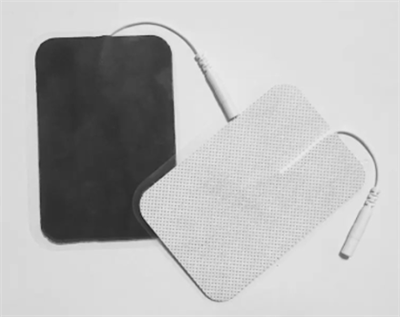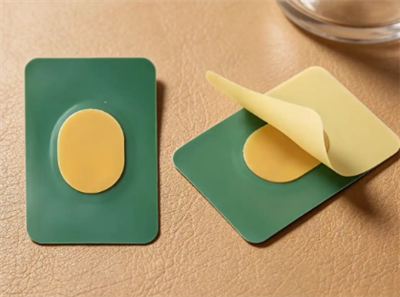
Maintain a Moist Healing Environment: Medical dressings (such as hydrocolloids, alginates, and hydrogels) absorb exudate and form a gel, keeping the wound bed appropriately moist; this facilitates cell migration and proliferation, thereby accelerating the healing process.
Provide Effective Wound Protection: Acting as a physical barrier, dressings prevent the intrusion of external contaminants-such as bacteria and dust-thereby reducing the risk of infection; furthermore, certain dressings (e.g., transparent films and silver-ion dressings) possess inherent antimicrobial properties.
Alleviate Pain and Discomfort: Dressings are designed not to adhere to newly formed tissue, minimizing secondary trauma during dressing changes; simultaneously, they insulate the wound from external stimuli, thereby relieving pain.
High Absorbency and Maceration Prevention: Dressings such as foams and alginates can rapidly absorb large volumes of exudate, preventing damage to the surrounding skin caused by prolonged exposure to moisture.
Promote Tissue Regeneration and Minimize Scarring: Certain dressings (e.g., alginates and nanocellulose dressings) are capable of releasing active ingredients that stimulate the growth of granulation tissue, thereby reducing the formation of scars.
Ease of Use and High Comfort: Most modern dressings feature self-adhesive properties and high conformability, allowing them to fit snugly against various parts of the body; additionally, some products are transparent, facilitating easy visual monitoring of the wound.
Enable Smart and Multifunctional Capabilities: Cutting-edge dressings (such as smart hydrogels and antimicrobial nanocellulose dressings) can respond to stimuli-such as pH levels and temperature-to deliver multiple functions, including sustained drug release, anti-inflammatory effects, and antioxidant activity.