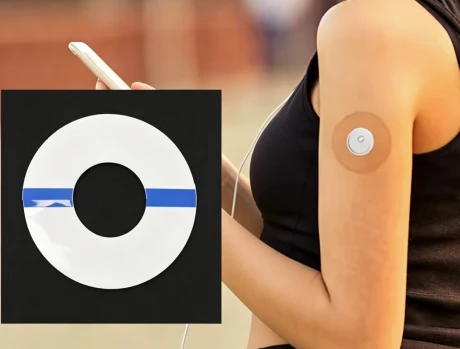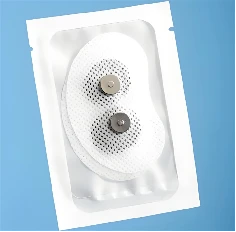
For decades, Holter monitors have dominated out-of-hospital ECG monitoring-characterized by a recording unit, lead wires, and a 48-hour ban on showering. Now, a patch weighing just a few grams is bringing that era to an end, offering two weeks of wear, showerability, and real-time data uploading. What makes wearable ECG patches the next growth engine for mobile healthcare?
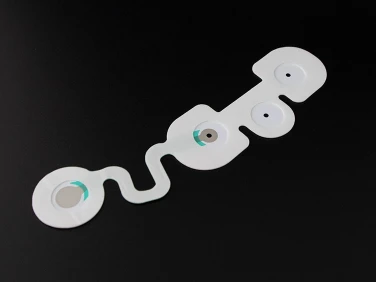
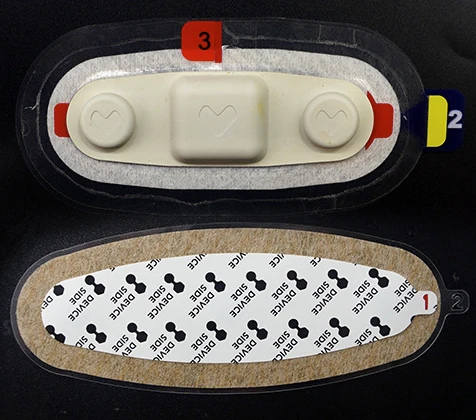
A wearable ECG patch is a single-unit, flexible device designed to adhere directly to the chest; it integrates electrodes, a recording chip, and a wireless module into a patch weighing only a few grams, resembling a slightly thick adhesive bandage. The absence of a recording unit and exposed lead wires marks the most immediate visual difference between these patches and traditional Holter monitors.
Key differences between wearable ECG patches and Holter monitors:
|
Comparison |
Traditional Holter |
Wearable ECG Patch |
|
Form factor |
Recorder box + leads + electrodes |
Single-piece adhesive patch, fully integrated |
|
Monitoring duration |
24–48 hours |
7–14 days, waterproof and shower-safe |
|
Wear burden |
High; poor patient compliance |
Low; patients continue normal daily life |
|
Data transmission |
Readout at hospital follow-up visit |
Wireless upload, real-time access |
II. Clinical Evidence: Why Healthcare Providers Are Willing to Pay
The fundamental rationale behind healthcare providers' decisions to purchase patch monitors is simple-detection rate:
• The arrhythmia detection rate for 7-day patch monitoring is 34.5%, compared to only 19.0% for 24-hour Holter monitoring (p = 0.008) (*Journal of Arrhythmia*, 2023);
• The detection rate for atrial fibrillation/atrial tachycardia using an 11-day patch is 3.5 times that of a 24-hour Holter monitor (47.5% vs. 13.6%, p < 0.001) (*Diagnostics*, 2023);
• The accuracy of automatic atrial fibrillation detection using smart patch sensors reaches 95%, compared to 81% for traditional Holter monitors (*Journal of Clinical Medicine*, 2021).
Data drives purchasing decisions. Patch-based solutions backed by such evidence-based support gain greater acceptance in the hospital and clinic markets of Europe and the United States.

A wearable ECG patch typically consists of four layers, arranged from the outside in:
1. Backing layer (outer layer): Medical-grade flexible material
2. Electrode layer: Conductive electrodes (commonly made of silver/silver chloride)
3. Hydrogel layer: Conductive hydrogel, which is crucial for signal transmission
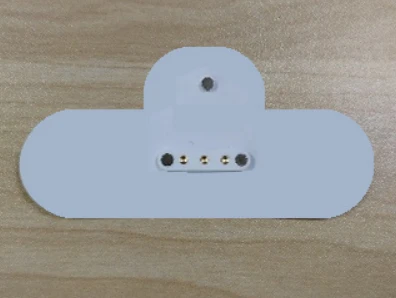
4. Electronic module: Integrated flexible printed circuit (FPC), ECG acquisition chip, wireless transmission module (e.g., Bluetooth), and micro-battery, all encapsulated within the patch
The choice of materials for these four layers directly determines the patch's signal quality, wearing comfort, water resistance, and production cost.


III. Medical-Grade Consumables and High-Precision Signal Acquisition
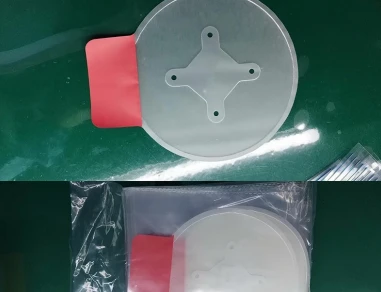
High-Quality Medical Electrodes and Double-Sided Hydrogel: We utilize carefully selected medical-grade electrode points featuring low impedance and high conductivity, ensuring that even subtle changes in ECG signals are captured with precision.
Hypoallergenic and Breathable Substrate: Constructed from medical-grade non-woven fabric or breathable PU film, the material offers excellent hypoallergenic properties as well as water and sweat resistance, ensuring skin comfort during extended, continuous wear.
OMORI: Delivering Leading OEM & ODM Solutions for ECG Patches
As a specialized manufacturer of wearable ECG patches, OMORI stands at the forefront of mobile health innovation. We are dedicated to providing high-quality, high-precision hardware manufacturing and consumable support services to global healthcare brands, telemedicine platforms, and device integrators.
OEM: Customization options available for logos, packaging, user manuals, and outer boxes.
ODM: Extensive customization scope covering everything from appearance and dimensions to functionality and software; flexible prototyping timelines and MOQ requirements.
Wearable ECG patches represent not merely a hardware upgrade, but a pivotal gateway into the mobile health ecosystem. Whether you aim to launch your own brand of ECG monitoring devices or are seeking a mature ODM solution for patches and consumables, OMORI is your trusted partner.