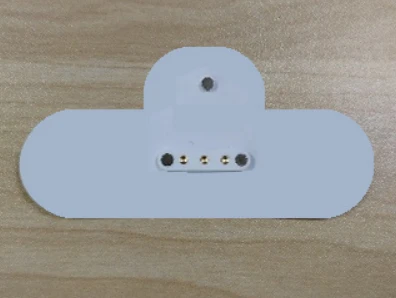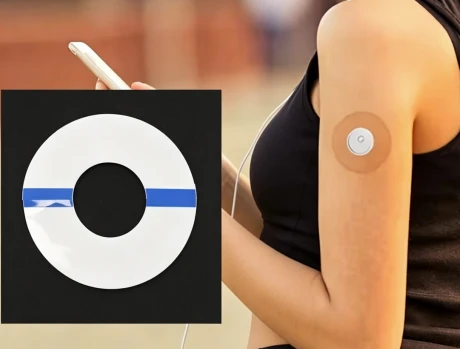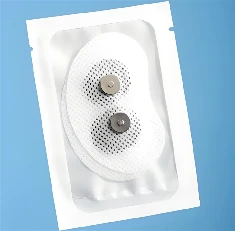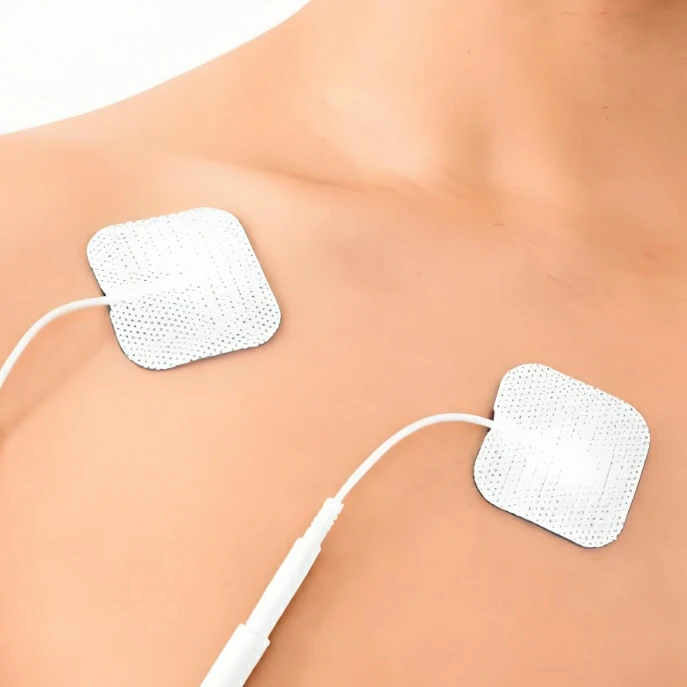
When a wearable ECG monitor is placed on a patient's chest, the component that actually adheres to the skin-and determines whether ECG signals can be captured clearly-is a thin, disposable ECG patch. While chips, algorithms, and cloud platforms determine what the device can *process*, the patch determines whether the device can *acquire clean data* in the first place.
This consumable-measuring only a few millimeters in thickness-represents the critical first link in the operational chain of wearable monitoring devices. Approaching the subject from a manufacturing perspective, this article breaks down the structure, production processes, quality standards, and regulatory requirements of disposable ECG patches, helping device brands and purchasers understand a key issue: how to find a reliable patch manufacturer.
The performance ceiling of a wearable ECG monitor is often determined not by the main unit itself, but by the patch:
• It serves as the sole electrical and physical interface between the device and the human body.
• It determines wear duration and user compliance.
• It determines data integrity.
• It is a consumable item that drives recurring purchases.
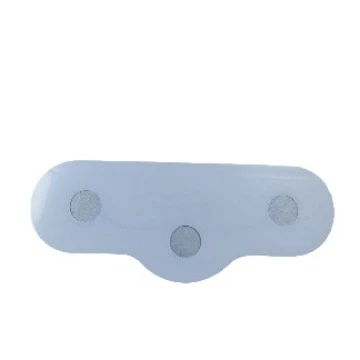
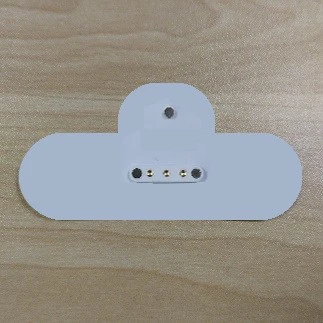
I. Typical Structure and Materials of the Patch
Disposable ECG patches are typically composed of six functional structural layers:
|
Layer |
Function |
Common Materials |
|
1. Backing layer (top sheet) |
Structural support, breathability, printing substrate |
Non-woven fabric, medical foam (PE foam), PU film |
|
2. Conductive layer |
Conducts skin potentials to the connector |
Screen-printed Ag/AgCl (or carbon/AgCl) conductive ink on PET / polyimide film |
|
3. Conductive hydrogel layer |
The "ionic bridge" between skin and electrode; lowers contact impedance |
Deionized water, electrolytes (KCl/NaCl), hydrophilic polymers, humectants (e.g. glycerin), crosslinkers |
|
4. Medical pressure-sensitive adhesive ring |
Secures the patch firmly to the skin |
Acrylic-based pressure-sensitive adhesive + tackifying resin |
|
5. Release liner |
Protects the adhesive surface before use |
Silicone-coated release paper |
|
6. Connector |
Snaps onto the lead wire or device main unit |
Medical snap button/socket (mostly silver- or nickel-plated) |
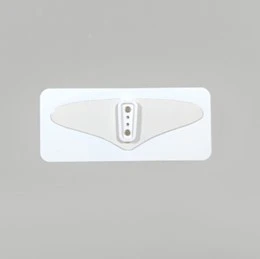
II. Why Partner with a Specialized Manufacturer-OMORI
For device brands, the patch is not an "off-the-shelf" item but a customized component developed in collaboration with the manufacturer:
• Customized Formulations:** Specific requirements-such as hypoallergenic properties, suitability for prolonged wear, repositionability, and enhanced adhesion for sports-are met through tailored hydrogel formulations and manufacturing processes.
• Structural Integration:** Electrode shape, dimensions, connector types, and lead wires are designed in coordination with the device's structure.
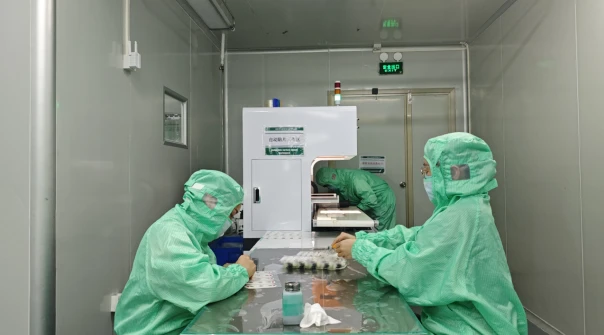
• Cleanroom Production & Full Traceability:** Operations take place in Class 100,000 cleanrooms with comprehensive batch records, ensuring compliance with medical device quality traceability standards.
• Production Capacity & Consistency:** Automated production lines ensure batch-to-batch stability during high-volume manufacturing.
• Accelerated Time-to-Market:** Established manufacturing and certification systems reduce communication overhead during the transition from prototyping to mass production.
Conclusion
Every accurate reading from a wearable ECG monitoring device begins with a meticulously manufactured patch. From material selection and process control to quality standards, the production of disposable ECG patches is an engineering endeavor where "details determine success." If your team is seeking a stable, reliable, and customizable manufacturing partner for ECG monitoring patches, please contact OMORI.