Yes. Transcutaneous Electrical Nerve Stimulation (TENS) can help many people reduce their use of painkillers. It works by using electrodes attached to the skin to deliver gentle electrical pulses that block pain signals from reaching the brain. Approximately 50% of chronic pain patients who have tried TENS report that it does help relieve pain.
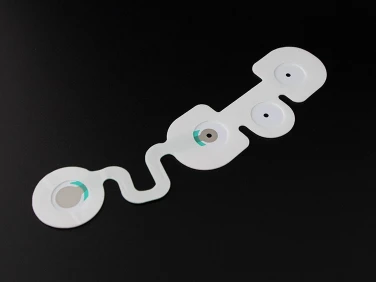
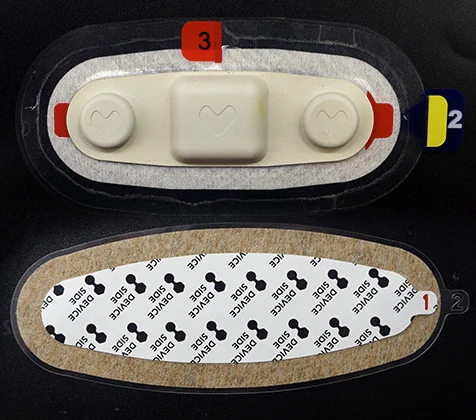
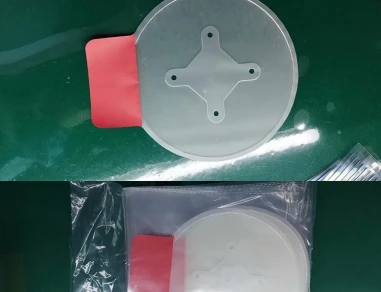
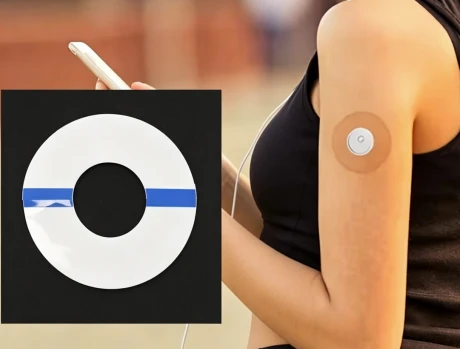
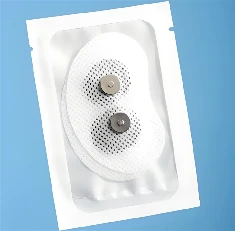
TENS electrode pads are the part of the device that comes into direct contact with the body during treatment. They are attached to the skin and conduct the electrical pulses from the device to the brain, thereby inhibiting the transmission of pain signals from nerves to the brain. Without these electrodes, the current cannot reach the body, and the treatment would be completely ineffective. It is used in various settings, including hospital clinical rehabilitation, outpatient physical therapy, and home health care, becoming a practical health tool for relieving physical strain and assisting in functional repair. Whether it's Transcutaneous Electrical Nerve Stimulation (TENS), Electromuscular Stimulation (EMS), or Interferential Electrotherapy (IFC), the quality of the electrodes directly determines the comfort and clinical effectiveness of the treatment.

Working Principle The electrode pads achieve current conduction through a three-layer structure:
* Conductive layer (carbon film or silver paste): Evenly distributes current
* Medical hydrogel: Low impedance adheres to the skin, reducing irritation
* Backing material (non-woven fabric/silicone/foam): Flexible and conforms to the body's curves.
The working principle is simple and easy to understand; essentially, it's about the precise conduction of electrical signals. During use, the electrode pads are attached to acupoints, painful areas, or areas of muscle strain. They are connected to the therapy device via wires or clips, smoothly transmitting the low-frequency and mid-frequency pulsed current output by the instrument to the skin's surface, further acting on subcutaneous nerves, muscles, and the circulatory system. Unlike the invasive treatment of drug therapy, the electrode pads achieve non-invasive therapy through physical electrical stimulation, fundamentally avoiding drug side effects and offering greater safety.
After the current stimulates the body, it can effectively relax and contract stiff muscles, improve local blood circulation, relieve nerve compression pain, and simultaneously activate damaged muscle cells and promote soft tissue repair, achieving therapeutic effects such as analgesia, swelling reduction, muscle relaxation, and improved muscle function.
Application Scenarios
Pain Management: Chronic back pain, neck and shoulder tension, arthritis
Muscle Rehabilitation: Post-operative recovery, prevention of muscle atrophy, stroke rehabilitation
Sports Recovery: Muscle relaxation, delayed onset muscle soreness
Main Classifications of Therapeutic Electrodes
By Use: Disposable electrodes, reusable electrodes
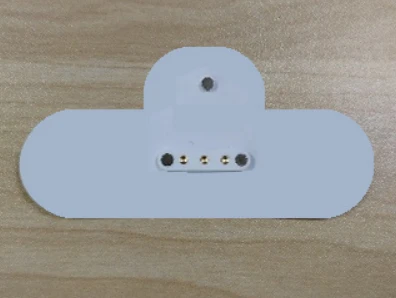
By Interface Type: Wire-type electrodes, button-type electrodes
By Functional Compatibility: Universal electrodes, specialized electrodes
We typically design electrodes specifically for particular brand equipment and special therapy processes, with parameters precisely matched to dedicated instruments. For example, electrodes for transcranial magnetic stimulation (TMS) and targeted drug delivery offer more targeted and precise therapeutic effects, but have poor versatility and cannot be adapted to ordinary equipment.
OEM/ODM Customization
Customized shape and size
Private label packaging design
Customized interface (pins/buckles/leads)
Hydrogel formula adjustment
Low minimum order quantity, flexible support for new product launches
Conclusion
The seemingly small TENS electrode pads are a key carrier for the implementation of modern physical therapy technology. With its core advantages of being non-invasive, safe, efficient, and convenient, it breaks through the cumbersome and limited nature of traditional physiotherapy, meeting both the precise needs of professional rehabilitation in medical institutions and the convenient needs of daily home health maintenance for the general public.
As public health awareness increases, sub-health and overuse injuries are becoming more prevalent, and the application scenarios for physiotherapy electrode pads are constantly expanding. In the future, with continuous upgrades in material technology and process design, this small health consumable will continue to safeguard muscle rehabilitation, pain relief, and daily health maintenance for the public, becoming an indispensable health product in the field of rehabilitation physiotherapy.