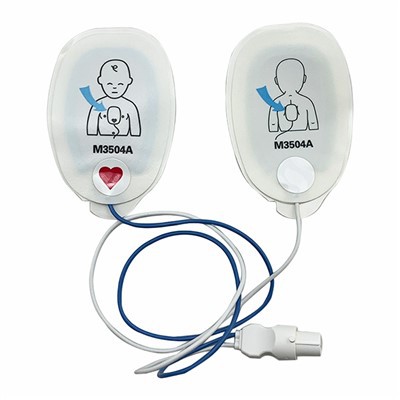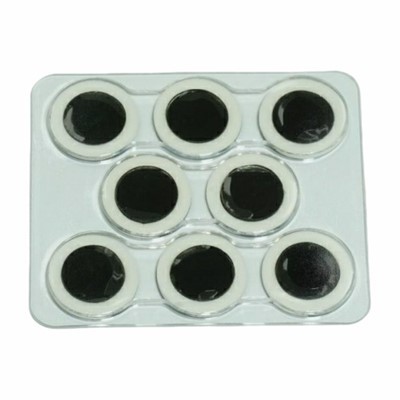
Conductive Fabric Electrode Pads

Send Inquiry
Conductive Fabric Electrode Pads
Details
Product Name: Conductive Fabric Electrode Pads
Specifications: Customizable
Product Introduction: These products use medical-grade conductive fabric as the base material. They are made by combining conductive materials (such as silver fiber, carbon nanotubes, conductive polymers, etc.) with textile fibers (such as nylon, polyester, cotton, etc.), and then coating or not coating with medical conductive gel to form dry or wet electrode pads. The conductive fabric base material is soft and skin-friendly, with excellent breathability and moisture absorption, conforming well to the skin curves of different parts of the body, providing a comfortable wearing experience.
Category
AED, Hysiotherapy Electrode Pads
Share to
Description

Product Introduction:


These products use medical-grade conductive fabric as the base material. They are made by combining conductive materials (such as silver fiber, carbon nanotubes, conductive polymers, etc.) with textile fibers (such as nylon, polyester, cotton, etc.), and then coating or not coating with medical conductive gel to form dry or wet electrode pads. The conductive fabric base material is soft and skin-friendly, with excellent breathability and moisture absorption, conforming well to the skin curves of different parts of the body, providing a comfortable wearing experience. Compared with traditional silver/silver chloride gel electrodes, conductive fabric electrodes require no or only a small amount of conductive gel, falling into the category of dry electrodes, thus avoiding signal attenuation and skin irritation caused by gel drying. The base material has good elasticity and extensibility, stretching freely with skin and joint movement, suitable for physiological signal acquisition in dynamic scenarios. The conductive fabric can be made through knitting, weaving, braiding, and other textile processes, with a stable structure, washability, and reusability, reducing long-term usage costs. Electrode pad connection methods can be customized (snap buttons, lead wire interfaces, etc.), compatible with mainstream physiological signal monitoring equipment. Some models employ a multi-layered composite structure, with an inner conductive fabric contact layer and an outer insulating protective layer to ensure safety and signal stability. Shape, size, conductive materials, and fabric structure can be customized to meet different application needs, ensuring compatibility with various bioelectrical signal monitoring scenarios.


Applicable Scenarios:


Suitable for wearable ECG monitoring devices; Holter monitoring; EMG; EEG; OMG; physiological signal monitoring during exercise (e.g., running, swimming); integrated applications in wearable smart clothing; long-term continuous physiological monitoring (e.g., home monitoring for heart patients, sleep monitoring); sensor fixation in rehabilitation therapy equipment; muscle activity monitoring in sports science research; physiological monitoring for infants and people with sensitive skin; monitoring scenarios requiring reusability and washability; and other bioelectrical signal acquisition scenarios requiring comfort, breathability, and reusability.
product-800-533


Not Applicable Scenarios:


Do not apply directly to broken, inflamed, infected, or allergic skin surfaces; contraindicated for those allergic to conductive fabric materials (such as silver, carbon nanotubes, conductive polymers, etc.); not suitable for treatments requiring direct contact with open wounds; although it has good signal acquisition performance, dry electrodes may have slightly higher impedance than traditional gel electrodes under static conditions, and proper skin preparation may be required for first-time use; motion artifacts may affect signal quality, requiring optimization with signal processing algorithms; for long-term continuous monitoring, it is recommended to check the skin condition regularly to avoid skin discomfort caused by prolonged wear; some models may not be compatible with MRI examination environments, and MRI compatibility of the product must be confirmed before use; store away from light, moisture, and high temperatures (recommended storage temperature 15-30℃, relative humidity 20-60%) to prevent oxidation of conductive materials from affecting signal acquisition performance.
product-800-533


Hot Tags: conductive fabric electrode pads, China conductive fabric electrode pads manufacturers, suppliers, factory
Send Inquiry