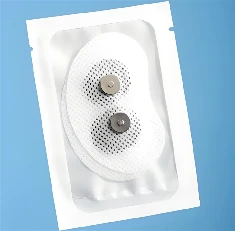
Introduction: ECG electrode patches are crucial components in modern medical technology. They not only affect the accuracy of ECG testing but also serve as an important tool for medical and health monitoring. This article will provide an in-depth understanding of the manufacturing process of single-lead ECG electrode patches and explore their innovation and development.
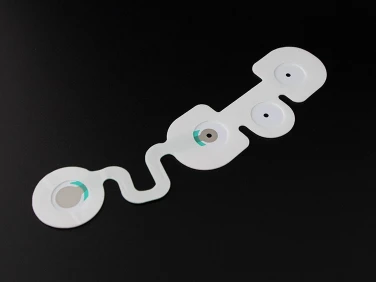
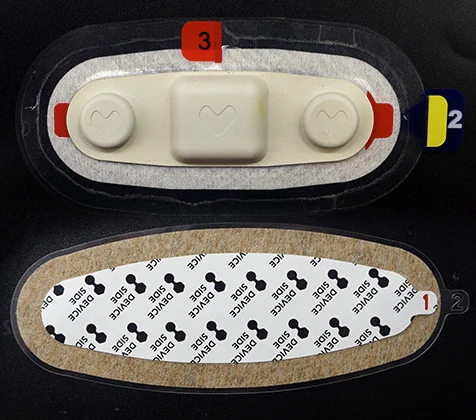
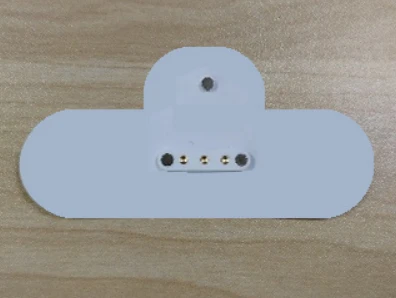
I. Overview of Single-Lead ECG Electrode Patches A single-lead ECG electrode patch is a device applied to the human body surface, transmitting cardiac electrical signals to an ECG machine through electrode contact with the skin. It features small size, ease of use, and comfortable wear, and is widely used in health monitoring, disease diagnosis, and other fields.
II. Manufacturing Process
Material Selection The production of single-lead ECG electrode patches first requires the selection of suitable materials. Commonly used materials include conductive adhesive, electrode pads, and backing materials. These materials must possess good conductivity, biocompatibility, stability, and comfort.
Design and Pattern Making Based on product specifications and design requirements, the electrode patch is designed and patterned. The design process must consider factors such as electrode shape, size, and spacing to ensure good skin contact and stable signal transmission during wear.
Electrode Fabrication: Electrode fabrication is a crucial step in the production of single-lead ECG electrode patches. Methods such as screen printing, transfer printing, or laser engraving are commonly used. During fabrication, strict control over printing precision and conductive adhesive thickness is essential to ensure electrode conductivity.
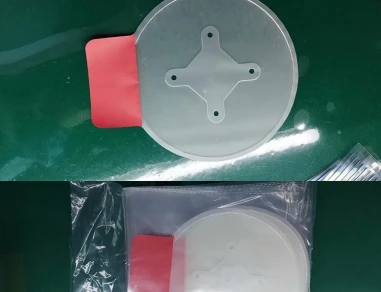
Backing Material Processing: The backing material must possess a certain degree of flexibility and stability. During processing, the backing material must be cut to the required size, ensuring neat edges.
Assembly and Testing: The fabricated electrodes and backing material are assembled to form the electrode patch. After assembly, rigorous testing is conducted, including indicators such as conductivity, biocompatibility, and durability.
Packaging and Quality Control: Finally, qualified products are packaged to ensure safety during transportation and storage. Simultaneously, strict quality control is implemented throughout the entire production process to ensure product quality meets national standards.
III. Innovation and Development
Material Innovation: With the development of technology, new conductive materials are constantly emerging. For example, nano-silver conductive materials possess excellent conductivity and biocompatibility, making them promising candidates for the production of single-lead ECG electrode patches.
Structural Innovation: To improve the comfort and stability of electrode patches, researchers are exploring novel electrode structure designs, such as flexible electrodes and multi-channel electrodes.
Intelligent Development: With the application of IoT and big data technologies, single-lead ECG electrode patches will possess more powerful intelligent functions. For example, by integrating sensors, they can achieve real-time heart rate monitoring and blood pressure measurement.
Summary: The production process of single-lead ECG electrode patches involves multiple stages, requiring strict quality control. In terms of innovation and development, materials, structure, and intelligence will be the future directions. It is believed that driven by continuous technological progress, single-lead ECG electrode patches will make a greater contribution to human health.