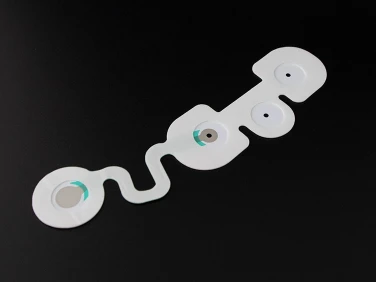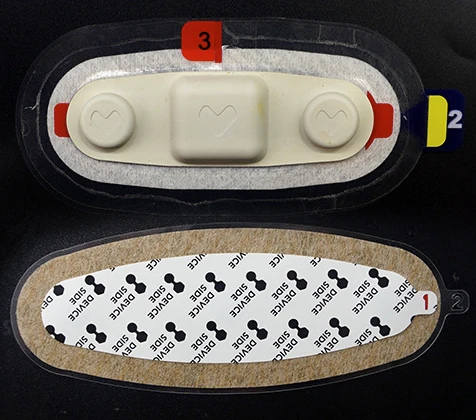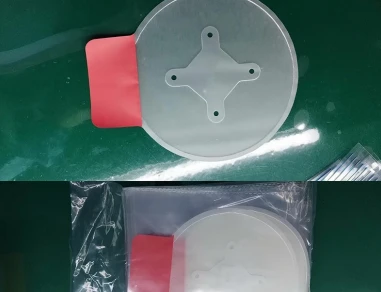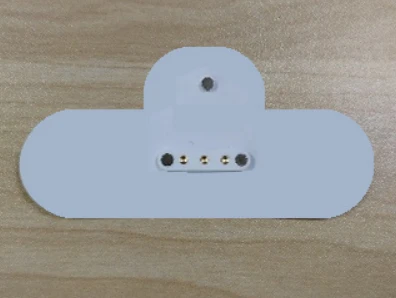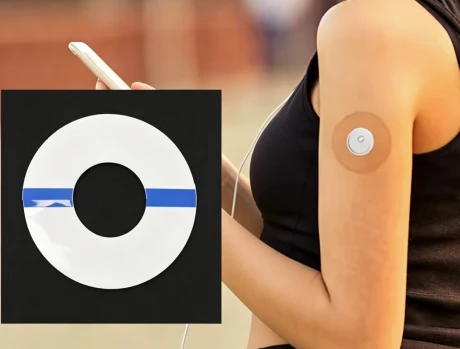
TENS (Transcutaneous Electrical Nerve Stimulation) electrodes, also known as self-adhesive physiotherapy electrode pads, are the critical conductive medium between TENS/EMS therapy devices and the human skin. They are an indispensable consumable accessory for low-frequency pulse therapy solutions. Relying on conductive hydrogel, they evenly deliver the weak, low-voltage pulses output by the therapy device to the target nerves and muscles, enabling non-invasive physical relief. They are widely used in rehabilitation physiotherapy, muscle relaxation, pain management, and other scenarios.

1. Four-Layer Basic Structure of TENS Electrodes
Most mainstream self-adhesive TENS electrodes are composed of four layers:
• Substrate backing: usually non-woven fabric or foam, soft and flexible, able to conform to curved skin areas such as the lower back, shoulders, neck, and joints, with high tensile resistance.
• Conductive layer: carbon film / silver-carbon conductive ink, ensuring even current distribution and avoiding localized current concentration that could cause a burning sensation.
• Medical conductive hydrogel: the core functional layer, providing both conductivity and self-adhesiveness. It is skin-friendly and hypoallergenic, and is the key factor determining service life and wearing comfort.
• Release liner: peeled off before use, protecting the hydrogel from drying out and dust contamination, and extending shelf life.
2. Classification of TENS Electrodes
• Pin-type (2.0mm pin jack): the universal model, compatible with the vast majority of TENS therapy devices.
• Snap-type (3.5mm button): quick to attach and detach, commonly used in mid-to-high-end portable therapy devices.
• Wireless integrated electrodes: no lead wires required, paired with wireless TENS main units.
Specifications: Square pads (5x5cm, 5x9cm) are the universal basic models; round, butterfly-shaped (for shoulders and neck), and long strip-shaped specialty pads for the lower back are also available, with sizes customizable according to body part.


• Reusable type: stable hydrogel adhesion, with proper cleaning and maintenance can be reused around 30-80 times; suitable for home use and rehabilitation clinics.
• Disposable medical electrodes: thinner, hypoallergenic formula, mainly used in hospital clinical settings, postpartum analgesia, and EMG testing; single use only.
3. Core Functions: What Can TENS Electrodes Actually Do?
• Conduct low-frequency pulses to relieve pain (the core function of TENS) and reduce muscle-origin pain.
• Help relax tight and spasmodic muscles.
• Ensure even current output, protecting the skin from burns.
• Establish a stable human-device connection, ensuring continuous and effective therapy.


Core Advantages & Benefits of High-Quality TENS Electrodes - Omori
• 1. Hypoallergenic medical-grade hydrogel: low allergy risk, soft on the skin, and residue-free when removed.
• 2. Even and stable conductivity: no localized stinging, with smooth pulse output.
• 3. High repeated-adhesion performance: maintains stickiness even after multiple uses.
• 4. Flexible non-woven substrate: resists edge lifting and detachment during body movement.
• 5. Universal interface: compatible with the vast majority of TENS & EMS therapy devices on the market.
• 6. Customization supported: shape, size, printing, packaging, and connector type can all be tailored; samples available for testing.
Omori TENS electrodes bring you a stable, comfortable, and long-lasting experience for your soothing therapy. Made with high-quality, skin-friendly hydrogel and compatible with most TENS therapy devices, they stay firmly adhered during daily use, rehabilitation training, and muscle relaxation. Whether you need relief for the lower back, shoulders, neck, joints, or general muscle soreness, Omori reusable TENS electrodes are a reliable choice for electrical stimulation therapy at home or on the go. Choose Omori, enjoy consistent quality, and soothe discomfort gently and effectively.