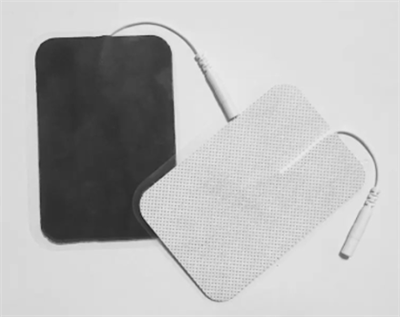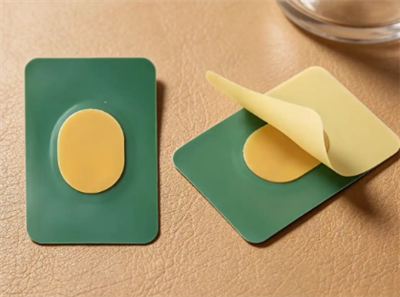
Medical dressings are supplies used for bandaging injuries; they consist of medical materials designed to cover sores, wounds, or other bodily lesions.
Medical dressings are medical materials utilized to cover wounds, sores, and similar lesions. They primarily encompass six major categories, including natural gauze, synthetic fiber-based dressings, and polymer film dressings.
As research into the pathophysiology of the wound healing process has deepened, our understanding of this complex biological mechanism has become increasingly profound. This enhanced understanding has, in turn, driven the continuous improvement and evolution of medical wound dressings. Compared to earlier generations, modern wound care dressings have undergone a revolutionary transformation, and a wide array of medical dressings-each possessing distinct properties-are now available for selection by clinical care professionals.
The fundamental functions of medical dressings are to absorb exudate and provide a barrier against external contamination. Natural gauze, owing to its high absorbency, has served as a traditional dressing; however, it suffers from the drawback of tending to adhere to wounds. With technological advancements, polymeric film dressings now utilize semi-permeable membranes to facilitate microbial exclusion while allowing for water vapor exchange, whereas hydrocolloid dressings form a gel to maintain a moist wound environment.