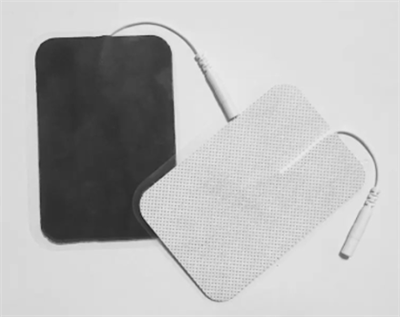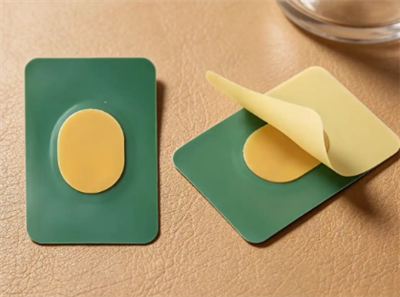
The production of medical dressings must be conducted within a cleanroom environment and adhere to strict quality management regulations for medical devices.
Raw Material Preparation and Pre-treatment: All raw materials (such as purified water, glycerin, collagen, non-woven fabrics, PU films, etc.) must meet medical-grade standards. Critical components require pre-treatment-such as high-temperature and high-pressure sterilization or Cobalt-60 irradiation-to ensure an initially sterile state.
Batching and Mixing: Within the cleanroom facility, raw materials are weighed precisely according to the specific product formula. For liquid or gel-based dressings, the ingredients are introduced into a homogenizing emulsifier, where high-speed agitation is employed to achieve complete homogenization.
Homogenization, Defoaming, and Filtration: The mixed material undergoes a defoaming process, utilizing precision filtration screens to remove air bubbles and undissolved particles, thereby minimizing impurities in the final product.
Filling and Sealing: For liquid dressings, the homogenized and filtered solution is filled into pre-sterilized packaging containers within a clean environment, followed by sealing. Prior to sealing, a manual visual inspection is performed to verify the clarity of the solution.
Sterilization: This constitutes the critical step for ensuring the sterility of the product. Commonly employed methods include irradiation sterilization or moist heat sterilization. Manufacturers may also opt to install in-house sterilization equipment-rather than outsourcing the process-to reduce costs and maintain quality assurance.
Final Packaging and Warehousing: Following sterilization, the finished products undergo final sealing using sterile packaging materials to prevent contamination during transit, after which they are transferred to the warehouse for storage.